
Visiting the desert in April is generally safe and represents one of the optimal windows for desert tourism, characterized by mild daytime temperatures (70-85°F in most North American deserts), minimal precipitation, and peak wildflower bloom periods. April falls within the spring desert travel shoulder season, offering comfortable desert weather before extreme summer heat begins in May, making it the best time to visit the desert in spring for most recreational activities.
Understanding April Desert Conditions and Why Timing Matters
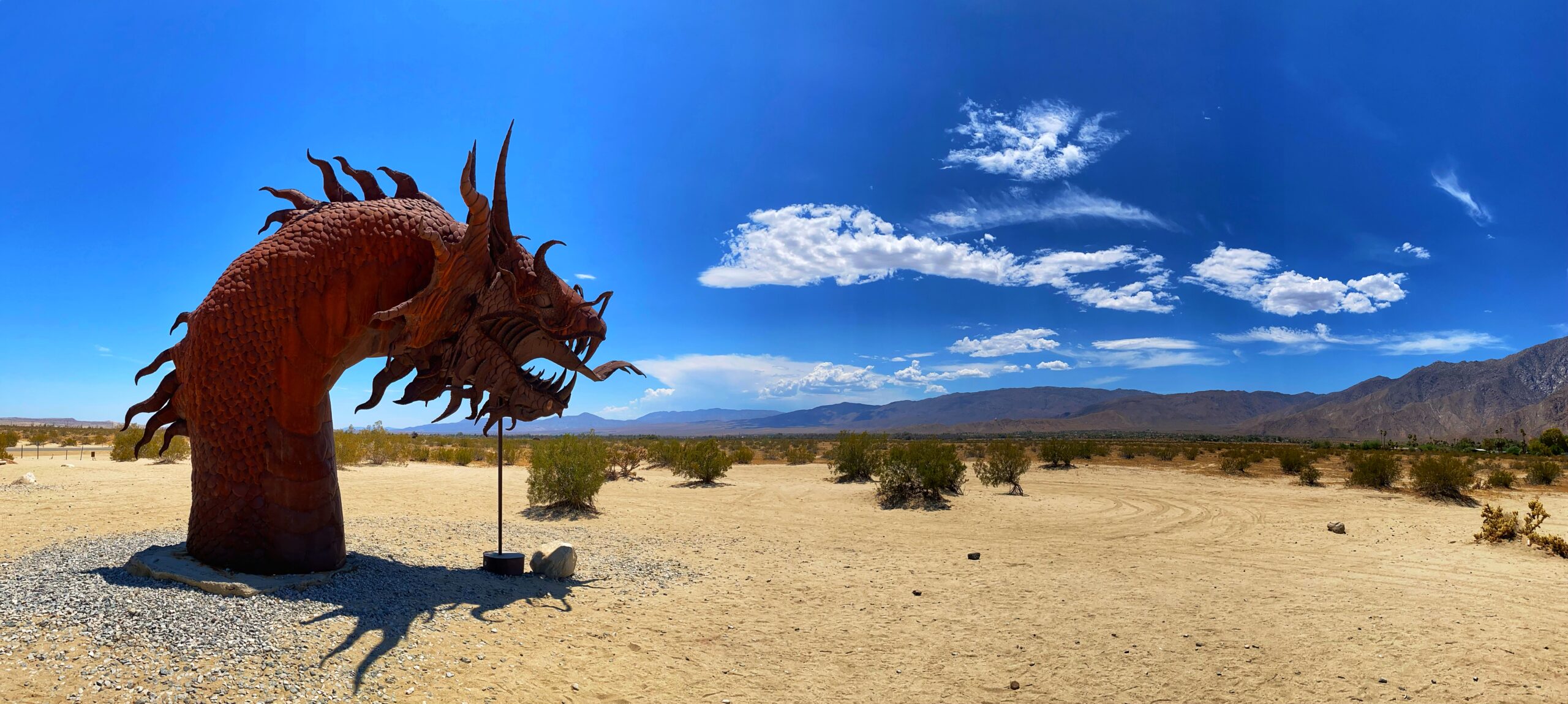
The spring season transforms desert ecosystems from dormant winter landscapes into vibrant environments. According to the National Park Service (2024), April represents the transition period when desert temperature ranges stabilize between winter cold and summer extremes. This seasonal desert condition creates ideal circumstances for outdoor exploration while presenting specific safety considerations distinct from other months.
Desert climate April conditions vary significantly by region and elevation. The Mojave Desert, Sonoran Desert, and Chihuahuan Desert experience average daytime temperatures between 75-85°F, while nighttime temperatures drop to 45-55°F. This diurnal temperature variation—the difference between day and night temperatures—can exceed 40°F in arid environments, requiring visitors to prepare for desert temperature swings throughout a single day.
April Weather Patterns Across Major Desert Regions
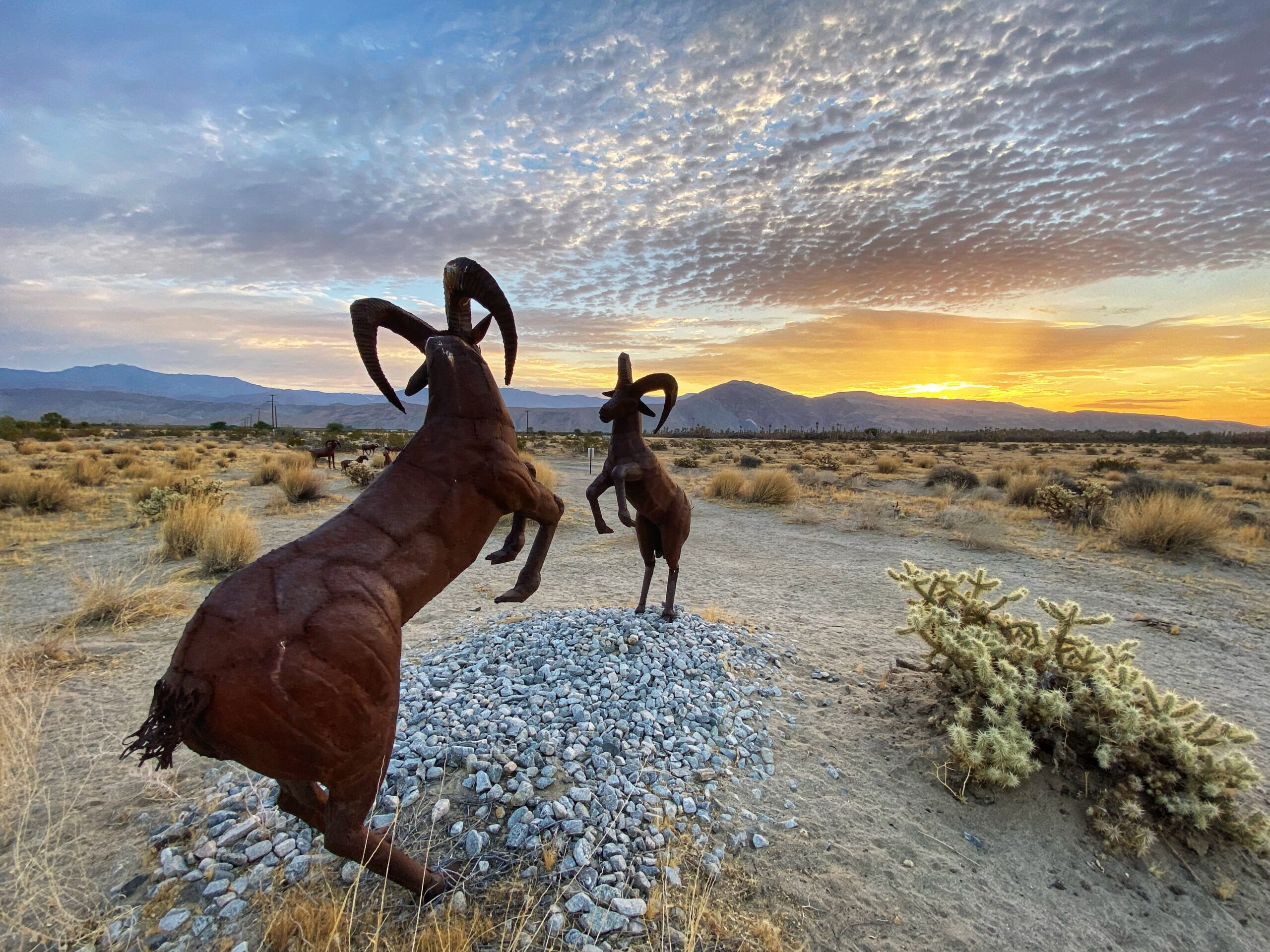
The Sonoran Desert, encompassing parts of Arizona and California, records average April temperatures of 80-85°F during peak afternoon hours. Phoenix temperatures typically reach 85°F, while Tucson averages 82°F during this month. The desert precipitation remains minimal, with most areas receiving less than 0.5 inches throughout April.
The Mojave Desert, spanning Nevada and California, presents slightly cooler conditions. Death Valley temperatures in April average 90°F during the day and 63°F at night, representing some of the most comfortable desert weather of the year for this location. Joshua Tree temperatures in April range from 70-85°F, making it peak season for desert tourism at Joshua Tree National Park.
Nevada desert safety conditions in April prove excellent, with Las Vegas area deserts experiencing daytime temperatures of 75-80°F. Valley of Fire and Red Rock Canyon offer optimal desert hiking conditions during this period, with moderate heat and extended daylight hours.
California desert weather in April attracts visitors to Palm Springs (85-90°F), Saguaro National Park (80-85°F), and White Sands National Park (70-75°F). The desert climate conditions across these regions support comfortable outdoor activities throughout most daylight hours.
Desert Temperature Ranges: Day, Night, and Elevation Variables
Desert temperature April measurements reveal critical patterns for safety planning. Daytime temperatures across North American deserts typically peak between 2:00-4:00 PM, reaching 75-95°F depending on location and elevation. Desert day heat builds gradually from morning through early afternoon before declining after 5:00 PM.
Desert night cold presents a contrasting challenge. Desert temperature at night in April commonly drops to 40-55°F in elevated areas and 50-60°F in lower basins. This desert temperature extreme requires layered desert clothing recommendations to accommodate both conditions within a 12-hour period.
Elevation significantly impacts desert temperature ranges. The Grand Canyon’s South Rim, at 7,000 feet elevation, experiences April temperatures of 55-65°F, while the canyon floor at 2,400 feet reaches 80-90°F. Sedona, at 4,500 feet, maintains moderate 70-75°F temperatures, demonstrating how desert terrain elevation creates microclimates within the same desert ecosystem.
Wildlife Activity Patterns in April: What Animals to Expect
April marks increased desert wildlife April activity as animals emerge from winter dormancy. Rattlesnakes become active when ground temperatures consistently exceed 70°F, typically beginning in late March through April across the Sonoran Desert and Mojave Desert. According to the Bureau of Land Management (2024), snake encounters increase 40% in April compared to March as sidewinders, diamondbacks, and other venomous desert animals resume hunting patterns.
Are snakes active in the desert in April? Yes, but their activity peaks during morning hours (6:00-10:00 AM) and evening periods (5:00-9:00 PM) when temperatures remain moderate. Desert snake season extends from April through October, with April representing the early activity phase when snakes are less aggressive than during peak summer months.
Scorpions in the desert in April become increasingly active, particularly after sunset. Desert scorpion activity correlates with temperature, with most species emerging when ambient temperatures reach 70-75°F. Arizona bark scorpions, the most venomous species in North America, inhabit rocky areas throughout the Sonoran Desert and remain active throughout April nights.
Non-venomous desert mammals including jackrabbits, roadrunners, coyotes, and bobcats maintain high activity levels during April’s comfortable temperatures. Desert bighorn sheep become more visible as they move to lower elevations seeking fresh vegetation from spring growth. Tarantulas remain largely inactive during April, with peak activity occurring later in fall months.
Desert birds including vultures and various raptor species increase territorial behaviors during April breeding season. The desert biodiversity in April creates excellent wildlife viewing opportunities when proper wildlife activity patterns are understood and respected.
Key Safety Hazards: Heat, Hydration, and Environmental Risks
Despite April’s moderate temperatures, desert heat safety remains critical. Heat exhaustion can occur at temperatures above 80°F when combined with physical exertion and inadequate hydration. Dehydration develops rapidly in arid environments where humidity levels range from 10-30%, causing perspiration to evaporate quickly without obvious wetness on skin.
How much water needed for desert in April? The National Park Service recommends 1 gallon per person per day for moderate activity, increasing to 1.5-2 gallons during strenuous desert hiking conditions. Desert hydration needs exceed normal consumption because the dry air increases respiratory water loss and evaporative cooling demands.
UV radiation in desert environments measures 25-40% higher than coastal regions due to reduced atmospheric moisture and increased altitude. Desert sun exposure causes sunburn in 15-20 minutes without protection during midday hours (10:00 AM-4:00 PM). Sunstroke, the severe form of heat illness, can develop when core body temperature exceeds 104°F, requiring immediate medical intervention.
Flash floods represent a significant desert danger despite minimal rainfall. Desert storm risks increase slightly during April as occasional spring weather systems pass through. A flash flood danger exists when thunderstorms develop over elevated terrain, sending water through normally dry washes within minutes. The haboob phenomenon—massive dust storms—occurs primarily during summer monsoon season (July-September), making April relatively safe from this hazard.
Common Misconceptions About April Desert Safety
Myth: The desert is too hot in April for safe visits.
Reality: April offers some of the most comfortable desert weather of the year, with temperatures 20-30°F cooler than summer months. Most North American deserts remain well below dangerous heat thresholds during April.
Myth: All desert areas have the same conditions in April.
Reality: Desert conditions report significant variations based on elevation, latitude, and regional climate patterns. Death Valley weather in April differs substantially from Arizona desert conditions in April or Middle East desert climates.
Myth: Snakes and scorpions are not active until summer.
Reality: Wildlife activity patterns show reptiles and arachnids become active when temperatures consistently reach 70°F, which occurs in April across most southwestern deserts.
Myth: You don’t need sun protection in April because it’s spring.
Reality: Do I need sunscreen in the desert in April? Yes. UV radiation levels remain dangerously high regardless of season, and desert sun protection in April requires SPF 30+ sunscreen, protective clothing, and sun-blocking accessories.
Desert Safety Comparison: April vs. Other Peak Months
| Factor | April Conditions | June-August Conditions | November-February Conditions |
|---|---|---|---|
| Daytime Temperature | 70-85°F (optimal desert visiting) | 100-120°F (extreme heat risk) | 50-65°F (cool, variable) |
| Nighttime Temperature | 45-55°F (layering needed) | 75-85°F (comfortable) | 30-40°F (cold, freezing possible) |
| Snake Activity | Moderate (early season) | High (peak activity) | None (dormant) |
| Scorpion Activity | Moderate (increasing) | Very High (peak) | Low (minimal activity) |
| Flash Flood Risk | Low to Moderate | High (monsoon season) | Very Low |
| Wildflower Bloom | Peak (desert wildflower season) | None (too hot) | None (dormant) |
| Visitor Crowds | Moderate (shoulder season travel) | Low (off-season) | Moderate to High |
Practical Safety Protocols for April Desert Visits
What should I know before visiting the desert in April? Proper preparation transforms potential risks into manageable challenges through systematic planning and appropriate gear.
Essential Desert Packing List for April
Desert gear essentials for April conditions include:
- Hydration: 2 gallons water per person per day, electrolyte supplements, insulated containers
- Sun Protection: SPF 50+ sunscreen, wide-brimmed hat, UV-blocking sunglasses, long-sleeve UV-protective clothing
- Layered Clothing: Moisture-wicking base layers, insulating mid-layers, windproof outer layer for desert night cold
- Desert Footwear: Closed-toe hiking boots with ankle support, thick socks to prevent snake bites
- Navigation: GPS device, physical maps, compass, fully charged phone with offline maps
- Emergency Equipment: First aid kit, snake bite kit, emergency shelter, signaling mirror, whistle
- Communication: Satellite communicator for areas without desert cell service, emergency contact list
Optimal Timing Strategies
What time of day is safest in desert in April? Morning hours between 6:00-10:00 AM offer ideal conditions with moderate temperatures, reduced wildlife activity, and excellent visibility. Afternoon hours (2:00-5:00 PM) present the highest heat stress risk and require additional desert precautions.
Desert trail conditions in April remain generally excellent, with minimal mud or water obstacles. However, desert camping weather in April requires preparation for significant temperature fluctuation between day and night periods.
Regional Desert Destination Analysis for April Safety
Is the Mojave Desert safe in April? Yes, with appropriate preparation. The Mojave experiences comfortable temperatures ideal for exploring Death Valley, Joshua Tree National Park, and Red Rock Canyon. Desert visitor guidelines recommend starting hikes before 9:00 AM and completing activities by 3:00 PM to avoid peak heat.
Is the Sonoran Desert safe in April? This region, encompassing Phoenix, Tucson, and Saguaro National Park, provides excellent April conditions. The desert wildflower bloom in April attracts visitors to witness peak seasonal desert conditions. Arizona desert conditions in April support full-day activities with proper hydration and sun protection.
The Atacama Desert in Chile and Sahara Desert in North Africa experience different seasonal patterns, with April representing transitional periods toward winter (Southern Hemisphere) or spring (Northern Hemisphere) respectively. The Arabian Desert and Gobi Desert present more extreme conditions year-round, requiring specialized preparation regardless of month.
Emergency Planning and Safety Resources
Desert emergency planning should include identification of desert nearest hospital locations, desert ranger assistance contact information, and desert medical facilities availability. Most national parks provide desert visitor information at entrance stations, including current desert conditions report and desert weather forecast updates.
Desert emergency contacts for major destinations include:
- Joshua Tree National Park: (760) 367-5500
- Death Valley National Park: (760) 786-3200
- Saguaro National Park: (520) 733-5153
- Grand Canyon National Park: (928) 638-7888
Desert safety protocols emphasize the “stay put” principle if lost, conserving water and energy while awaiting rescue. Desert survival kit essentials should remain accessible throughout any desert excursion.
Conclusion: April Desert Safety Assessment
Is April a good time to visit the desert? Yes, April represents one of the safest and most enjoyable periods for desert tourism across North American destinations. The combination of mild desert temperatures, peak wildflower displays, and manageable wildlife activity creates optimal conditions for visitors who follow established desert safety tips for April visitors.
Understanding what are the dangers of visiting the desert in April—moderate heat stress, wildlife encounters, temperature extremes, and occasional weather events—allows visitors to implement appropriate desert safety precautions for April travel. The risks remain significantly lower than summer months while offering superior comfort compared to winter conditions.
For comprehensive guidance on desert destinations, seasonal planning, and safety resources, Divine Desert Destination provides detailed information for visitors planning spring desert travel adventures. How to stay safe in the desert in April ultimately depends on preparation, awareness, and respect for the unique challenges of arid environments during this optimal shoulder season travel period.