The best stargazing spots in Borrego Springs are Font’s Point, Christmas Circle, Borrego Palm Canyon, Henderson Canyon Road, Culp Valley Primitive Campground, and designated campgrounds within Anza-Borrego Desert State Park. Borrego Springs is California’s first International Dark-Sky Association (IDA) certified dark sky community as of 2009, offering exceptional astronomical observation with Bortle scale ratings between 1-3 across most viewing locations.
Why Borrego Springs Matters for Astronomical Observation
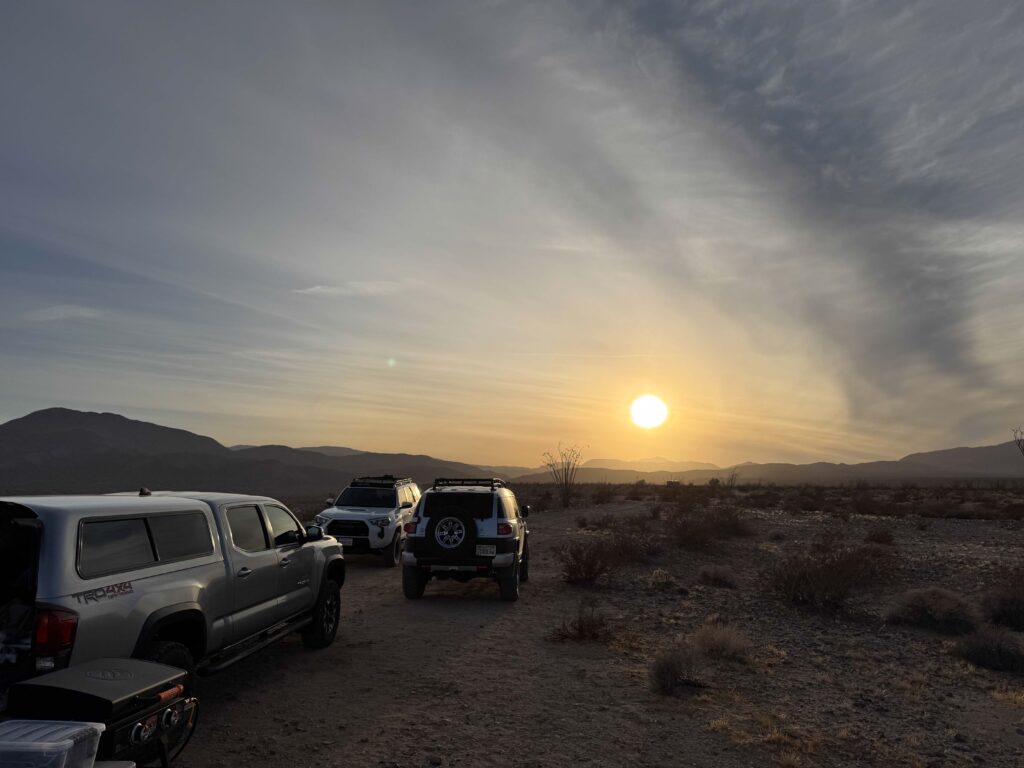
According to the International Dark-Sky Association (2009), Borrego Springs in San Diego County represents one of fewer than 20 certified dark sky communities worldwide. This designation confirms that light pollution levels remain minimal, preserving pristine night skies for naked eye astronomy and celestial photography. Located within and surrounded by Anza-Borrego Desert State Park—California’s largest state park at 600,000 acres—the area maintains natural darkness through strict outdoor lighting ordinances enacted in 2008.
The region’s remote location, approximately 90 miles northeast of San Diego, creates a buffer from urban light domes. Clear desert atmospheric conditions combine with high elevation sites (ranging 500-3,000 feet) to deliver optimal viewing conditions for observing the Milky Way, Andromeda Galaxy, Orion Nebula, and other deep sky objects year-round.
Top 6 Stargazing Locations in Borrego Springs Dark-Sky Area
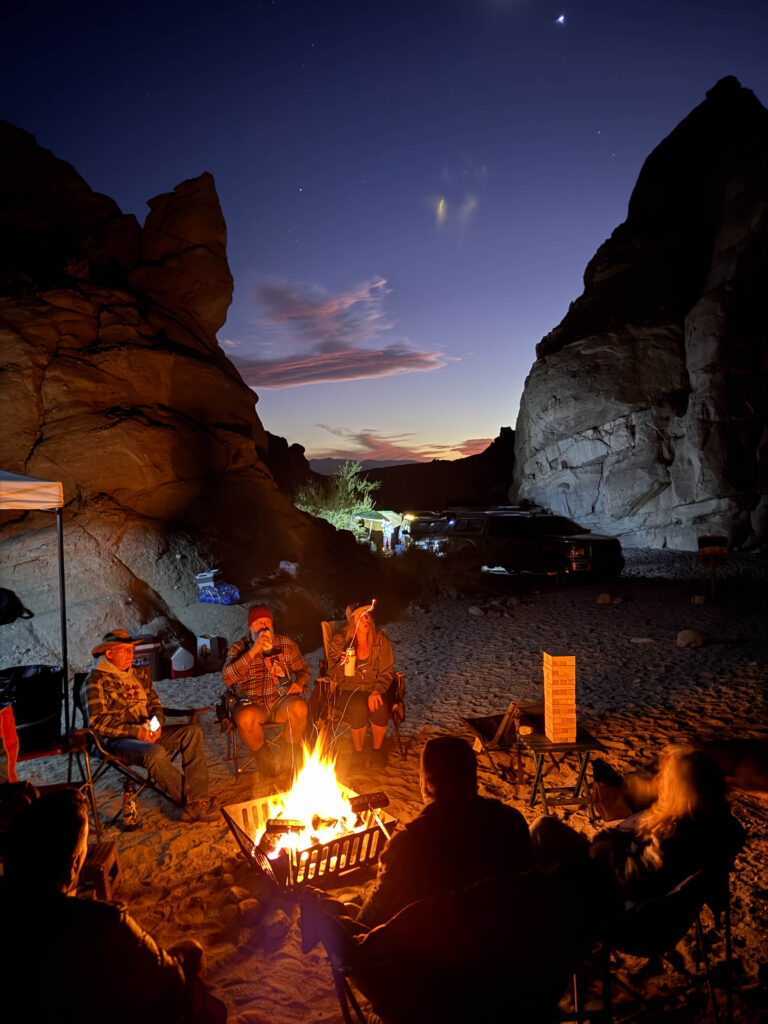
1. Font’s Point: Premier Desert Astronomy Destination
Font’s Point ranks as the most popular stargazing destination in Borrego Springs for both amateur astronomy and astrophotography. Situated at 1,291 feet elevation with 360-degree unobstructed horizons, this overlook provides Bortle 1-2 darkness levels on moonless nights. Access requires driving 4 miles on a dirt road (four-wheel drive recommended), reaching a parking area that accommodates 15-20 vehicles. According to the San Diego Astronomy Association (2024), Font’s Point hosts regular star parties attracting 50-100 observers during peak meteor showers like the Perseids.
2. Christmas Circle: Accessible Town Center Viewing
Christmas Circle, located at the intersection of Palm Canyon Drive and Borrego Springs Road, offers the most accessible dark sky viewing within town limits. This roundabout features minimal artificial lighting and provides views of major constellations including Perseus, Cassiopeia, and the Big Dipper throughout the year. The Borrego Springs Chamber of Commerce designates this location for public stargazing events, making it ideal for family stargazing Borrego Springs experiences and beginner observers without off-road vehicle access.
3. Borrego Palm Canyon: Wilderness Stargazing Combined with Hiking
Borrego Palm Canyon serves dual purposes as a popular daytime hiking destination and exceptional nocturnal environment for celestial viewing. The trailhead parking area maintains Bortle 2 darkness, situated 1.5 miles northwest of Christmas Circle. Palm Canyon Campground, adjacent to the trail, offers 117 developed campsites for overnight stargazing Borrego Springs experiences. According to Anza-Borrego Desert State Park records (2025), campground elevation of 775 feet and surrounding canyon walls eliminate northern light interference from distant communities.
4. Henderson Canyon Road: Advanced Backcountry Astronomy
Henderson Canyon Road provides access to pristine night skies with Bortle 1 ratings, representing true astronomical darkness. This remote viewing location extends 9 miles into the Borrego Valley wilderness, requiring high-clearance vehicles. Professional astronomy groups prefer this site for long exposure astrophotography and time-lapse photography due to absence of artificial light sources within 20 miles. Sky quality meter readings consistently measure 21.8-22.1 magnitudes per square arcsecond, matching international observatory conditions.
5. Culp Valley Primitive Campground: High-Elevation Observation
Culp Valley sits at 3,400 feet elevation, making it the highest stargazing spot in the Borrego Springs dark-sky area. The primitive campground accommodates 10 vehicles and offers superior atmospheric transparency compared to lower desert sites. Winter constellations appear particularly clear from November through March, with the galactic center of the Milky Way visible March through October. Vern Whitaker Horse Camp, located 2 miles east, provides similar darkness quality with equestrian facilities.
6. Additional Designated Observation Points
Yaqui Well, Tamarisk Grove Campground, Blair Valley, Little Blair Valley, and Bow Willow Campground all maintain certified dark sky status. The Pegleg Smith Monument on Rams Hill Road offers accessible parking and Bortle 2-3 conditions suitable for planetary observation and constellation viewing without requiring camping reservations.
Key Characteristics of Borrego Springs Dark Sky Quality
- Exceptional Darkness Levels: Most locations rate Bortle 1-3, allowing visibility of 3,000-4,000 stars versus 200-500 in suburban areas
- Minimal Atmospheric Interference: Desert climate produces 300+ clear nights annually with low humidity and minimal cloud cover
- Protected Status: Municipal lighting ordinances prohibit upward-directed light, maintaining sky quality since 2008
- Year-Round Accessibility: Unlike mountain observatories, most sites remain accessible in all seasons without snow closures
- Diverse Elevation Range: Sites from 500-3,400 feet allow observers to select optimal seeing conditions based on atmospheric patterns
How to Plan Your Borrego Springs Stargazing Visit
Step 1: Choose Optimal Timing
Schedule visits during new moon phases when lunar illumination does not interfere with stellar visibility. According to NASA astronomical calendars (2025), new moon periods provide 5-7 consecutive nights of maximum darkness monthly. Winter months (November-February) offer longer darkness hours, while summer (June-August) provides warmer temperatures for extended observation sessions.
Step 2: Check Weather and Atmospheric Conditions
Monitor cloud cover forecasts, transparency predictions, and wind speeds 24-48 hours before departure. The Salton Sea, located 30 miles east, occasionally produces moisture that reduces atmospheric clarity. Weather patterns typically favor clear skies September through May, with July-August monsoon moisture creating variable conditions.
Step 3: Gather Essential Equipment
Pack a telescope or binoculars for deep sky viewing, a red flashlight to preserve night vision, star charts or astronomy apps like SkySafari, Star Walk, or Stellarium, warm layers regardless of season, and a planisphere matched to 33°N latitude. Astrophotography requires tripods, remote shutter releases, and cameras capable of 20-30 second exposures at ISO 1600-3200.
Step 4: Navigate to Your Selected Location
Download offline maps before departure, as cellular coverage remains limited throughout Anza-Borrego Desert State Park. Most prime viewing locations require 15-45 minutes driving on unpaved roads from Borrego Springs town center. Arrive 30-60 minutes before sunset to establish position and allow eyes to adapt to darkness.
Common Misconceptions About Borrego Springs Stargazing
Myth: Special permits are required to stargaze in Anza-Borrego Desert State Park.
Reality: Day-use areas require no permits. Campground sites need advance reservations during peak seasons (October-May), available through California State Parks as of 2025.
Myth: Desert stargazing is dangerous due to wildlife and extreme temperatures.
Reality: Following standard desert safety protocols—bringing adequate water, staying on established roads, and informing others of plans—ensures safe astronomy tourism experiences.
Myth: You need expensive equipment to enjoy Borrego Springs’ dark skies.
Reality: Naked eye astronomy reveals thousands of celestial objects, meteor showers, the Milky Way core, and five planets without optical aids. Binoculars enhance observation but aren’t essential.
Borrego Springs vs Other Southern California Dark Sky Parks
Unlike Joshua Tree National Park (Bortle 3-4 near campgrounds) or Mount Laguna (Bortle 2-3 with seasonal access limitations), Borrego Springs maintains Bortle 1-2 ratings across multiple year-round accessible sites. Death Valley National Park offers comparable darkness but requires 4-6 hours driving from San Diego versus 2 hours to Borrego Springs. The proximity advantage makes Borrego Springs the premier quick-access dark sky reserve for Southern California astronomy enthusiasts.
Practical Applications: Maximizing Your Borrego Springs Experience
Celestial photography thrives in Borrego Springs due to diverse foreground subjects including desert landscapes, palm oases, and badlands formations. Meteor observation benefits from wide-open horizons allowing detection of meteors from all radiant points. Guided star tours and astronomy programs through the Borrego Springs Chamber of Commerce provide interpretive programs for astronomy education. Professional astronomy groups conduct space observation research leveraging the area’s observatory-quality conditions without institutional access requirements.
Whether pursuing cosmic events documentation, participating in public stargazing gatherings, or experiencing the cosmic landscape independently, Borrego Springs’ combination of accessibility, darkness preservation, and natural beauty establishes it as California’s most versatile astronomical observation destination as of 2025.