

As autumn sets in and temperatures begin to cool in desert regions, it’s an ideal season to explore arid landscapes in a thoughtful, low-impact way. At Divine Desert Destination, we believe that every visitor has the opportunity — and responsibility — to protect the fragile ecosystems they visit. Here’s how to travel in the desert responsibly and leave behind nothing but footprints (and good intentions).
1. Choose Eco-Conscious Accommodations
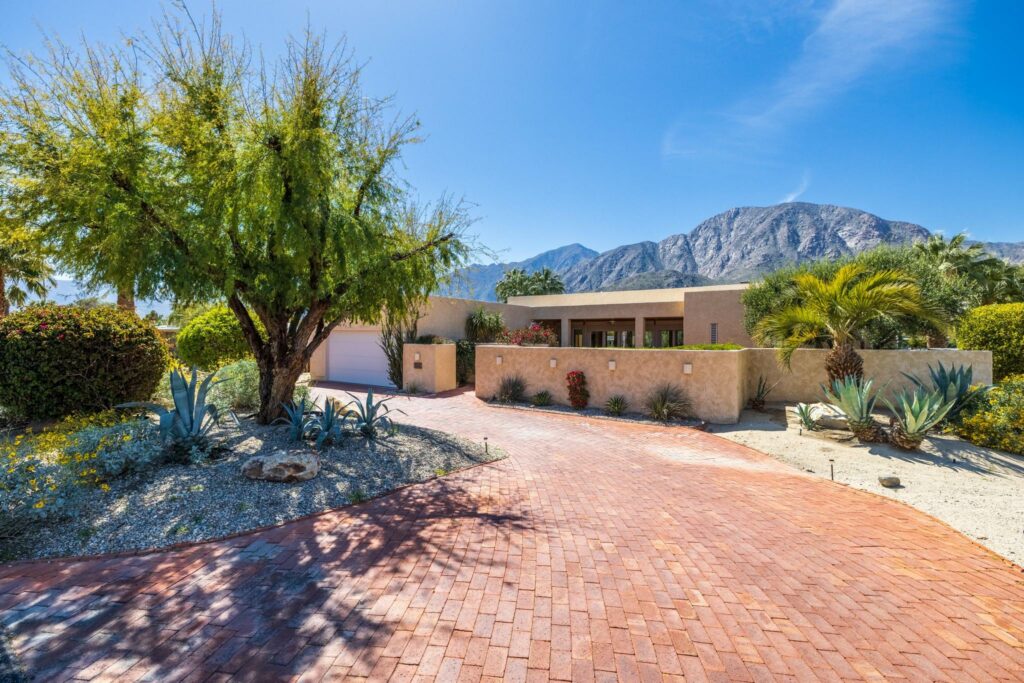
Your lodging choice can significantly influence your environmental footprint. Divine Desert Destination offers a desert retreat designed for small groups (1–4 guests) with features like a private pool, spa, and outdoor patios, while promoting sustainable practices. :contentReference[oaicite:0]{index=0}
When booking for a desert stay, look for these features:
- Use of renewable energy (e.g., solar panels).
- Water-saving fixtures (low-flow showers, recycled water for landscaping).
- Local or natural construction materials that blend with the environment.
- Minimal lighting and dark-sky policies to preserve nocturnal habitats and star visibility.
2. Follow Leave-No-Trace Principles
Desert ecosystems are delicate; even minor disturbances can take years to heal. Some key guidelines:
- Stick to established trails and avoid creating new paths across dunes or fragile soil.
- Don’t remove rocks, plants, or artifacts—these may play roles in their ecosystems.
- Pack out all that you bring in, including biodegradable waste — the arid climate slows decomposition.
- Be mindful of wildlife: observe from a distance, refrain from feeding animals, and minimize noise.
3. Support Local Communities & Cultural Heritage
A truly responsible trip uplifts the local community and honors its culture. In many desert destinations, tourism provides crucial economic opportunities for residents, particularly in remote areas. :contentReference[oaicite:1]{index=1}
Here are actionable ideas:
- Hire local guides who are familiar with the land, its history, and its stories.
- Buy crafts and goods directly from artisans rather than mass-produced souvenirs.
- Attend cultural events or workshops, when available, to learn about local traditions in a respectful manner.
- Respect sacred or protected sites — always ask before photographing or entering.
4. Select Low-Impact Desert Activities
Many classic desert pursuits can be done sustainably. Consider these options:
- Guided hikes or walks over motorized tours, which reduce noise and erosion.
- Birdwatching, flora identification, or geotourism (learning geology) experiences.
- Stargazing — deserts often provide spectacular night skies when light pollution is minimized.
- Photography, sketching, or contemplative experiences that don’t require heavy infrastructure.
5. Use Smart Transport Choices
Transportation often contributes the largest share of emissions in remote travel. To reduce this impact:
- Carpool or share shuttles when possible.
- Use fuel-efficient or electric vehicles if available.
- Limit off-road driving to permitted areas, and avoid entering sensitive terrain.
6. Conserve Water & Energy
Deserts are water-scarce by nature. To reduce consumption:
- Take short showers and reuse towels.
- Collect and reuse greywater for non-potable uses (landscaping, washing vehicles) if permitted.
- Switch off lights, heating, or cooling when not in use.
- Encourage property managers to plant native, drought-resistant vegetation.
7. Educate Yourself & Share Responsibly
Before you go, learn about the desert you’ll visit — its flora, fauna, history, and threats. Understanding the context helps you make better decisions on site. Many sustainable tourism organizations list guidelines to follow. :contentReference[oaicite:2]{index=2}
After your trip, share photos and stories that emphasize conservation and respect, rather than just spectacle. Inspire others to travel responsibly.
Conclusion: Making Your Fall Desert Trip Meaningful
This fall, as you venture into arid landscapes, aim to be a steward, not just a visitor. Choosing sustainable lodging, respecting the land, caring for local communities, and reducing resource use may require extra attention — but those efforts ensure that the beauty and ecology of desert places like those around Divine Desert Destination remain vibrant for future generations.
If you’d like help planning a desert getaway that’s both luxurious and responsible, contact us. Let’s make sure your next desert escape leaves behind only wonder and inspiration.