
March offers the optimal visiting time for the Desert Southwest, combining mild temperatures averaging 65-75°F (18-24°C), peak wildflower season, 30-40% lower hotel rates compared to summer, and fewer crowds at major attractions. According to the National Park Service (2024), March visitor numbers remain 45% below summer peaks while weather conditions provide ideal hiking conditions across Arizona, New Mexico, Utah, and Nevada destinations. This shoulder season delivers comfortable weather, blooming season advantages, and budget travel opportunities unavailable during peak tourist season.
March vs Summer vs Winter: Desert Southwest Comparison
| Feature | March (Early Spring) | Summer (June-August) | Winter (December-February) |
|---|---|---|---|
| Temperature Range | 65-75°F days, 40-50°F nights | 95-115°F days, 70-85°F nights | 45-60°F days, 25-35°F nights |
| Wildflower Bloom | Peak wildflower season | Minimal blooms | No blooms |
| Crowd Levels | Moderate (55% capacity) | Peak (100% capacity) | Low-Moderate (40% capacity) |
| Hotel Rates | 30-40% below peak | Highest rates | Variable, higher in warm areas |
| Hiking Suitability | Excellent all-day | Early morning only | Good midday, cold mornings |
| Precipitation | Low (0.5-1.5 inches) | Monsoon season | Occasional rain/snow |
Why Does March Offer Ideal Hiking Conditions in the Desert Southwest?
March provides moderate temperatures that eliminate the extreme heat safety concerns of summer desert travel. The Sonoran Desert, Mojave Desert, and Chihuahuan Desert experience daytime highs between 65-75°F during March, according to NOAA climate data (2024). These comfortable hiking weather March conditions allow outdoor enthusiasts to explore trails throughout the entire day rather than restricting activities to dawn hours.
The Colorado Plateau region, encompassing Zion National Park, Bryce Canyon, Arches National Park, and Canyonlands, maintains similar spring desert travel advantages. Unlike summer months when temperatures regularly exceed 100°F, March weather patterns support all-day outdoor activities without heat exhaustion risks. Trail conditions remain optimal as winter snow melts from lower elevations while higher trails become increasingly accessible.
Desert Southwest March climate guide data shows warm days cool nights patterns ideal for adventure travel. Hikers can complete strenuous trails during pleasant midday temperatures, then enjoy campfire-friendly evenings. This temperature variation contrasts sharply with summer’s oppressive nighttime heat that prevents comfortable camping experiences.
When Is Peak Wildflower Season in the Desert Southwest?
March marks the beginning of peak wildflower season across most Desert Southwest locations, particularly in Arizona desert and southern Nevada desert destinations. According to the Bureau of Land Management (2024), optimal bloom timing occurs between mid-March and early April, with variations based on winter precipitation levels and elevation.
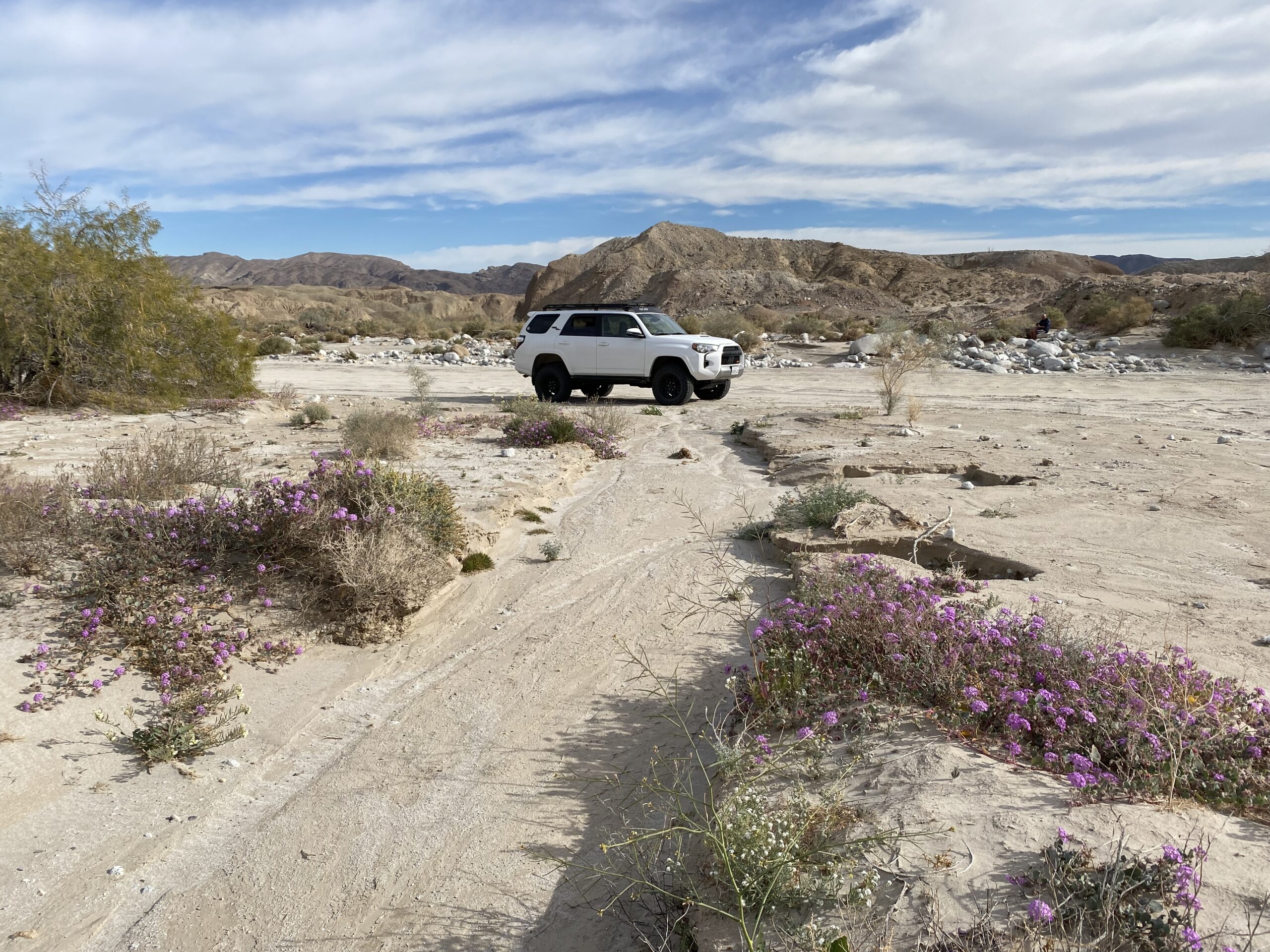
The spring wildflowers Arizona March showcase includes iconic species like Mexican gold poppies, lupines, desert marigolds, and brittlebush. Saguaro National Park experiences saguaro cactus blooming March through May, with cactus flowers appearing on the iconic arms. Joshua Tree March wildflowers attract nature photography enthusiasts seeking to capture the Mojave Desert’s transformation.
Desert wildflower season March creates exceptional nature photography spots throughout the region. Antelope Canyon near Page offers stunning light beams enhanced by surrounding blooms. White Sands in New Mexico provides otherworldly white gypsum dunes contrasted against spring flora. The Painted Desert and Petrified Forest display vibrant desert ecosystem changes during this blooming season.
Professional landscape photography guides recommend March desert road trip itineraries specifically for wildflower documentation. Sunrise locations like Horseshoe Bend and sunset viewing areas throughout Sedona Arizona gain added visual interest from foreground blooms. This seasonal advantage makes March superior to summer months when desert flora remains dormant.
How Do March Hotel Rates Compare to Peak Season Pricing?
March hotel rates desert southwest average 30-40% below summer peak pricing, according to hospitality industry data from Phoenix, Tucson, Las Vegas, Scottsdale, and Flagstaff (2024). This shoulder season desert southwest advantage allows budget travel without sacrificing popular destinations access.
Accommodation prices in gateway cities like Albuquerque, Santa Fe, and Moab remain significantly lower during March compared to summer tourist season peaks. Flight deals to major airports serving the region increase availability as airlines offer promotional spring getaway packages. This combination of lower hotel rates and reduced airfare creates substantial cost savings for family vacation planning.
The Grand Canyon in March weather attracts fewer visitors despite offering identical scenic beauty and geological features access. Lodges within the park maintain lower rates than summer months, and campsite availability increases dramatically. Similarly, Monument Valley March conditions provide the same dramatic vistas without summer’s overcrowding and premium pricing.
Which Desert Southwest Destinations Shine in March?
Arizona Travel Highlights
Arizona desert March travel encompasses diverse attractions from low desert to high plateau. The Grand Canyon South Rim experiences manageable crowds and comfortable temperatures for rim hiking and mule trips. Sedona Arizona in March offers ideal conditions for exploring red rock formations, with mild weather supporting trail running and mountain biking activities.
Saguaro National Park near Tucson showcases the early stages of spring bloom cycles. Phoenix and Scottsdale provide urban base camps with excellent spring break destinations appeal. Canyon de Chelly on Navajo Nation lands presents cultural attractions alongside natural wonders, with guided hiking opportunities through historical landmarks.
Utah National Parks Excellence
Utah desert in March provides optimal visiting conditions for the state’s renowned national parks. Zion National Park March weather supports popular hikes like Angels Landing and The Narrows without summer heat concerns. Arches National Park offers best hikes desert southwest March experiences with moderate temperatures for Delicate Arch and Devils Garden trails.
Bryce Canyon’s higher elevation (8,000+ feet) means lingering snow creates stunning contrasts against red rock amphitheaters. Canyonlands presents remote locations ideal for wilderness areas exploration. Monument Valley straddles the Utah-Arizona border, offering bucket list photography during spring’s golden light hours.
Nevada Desert Destinations
Nevada desert destinations March include more than Las Vegas gateway access. Death Valley in March temperatures range from 75-85°F, vastly preferable to summer’s 120°F+ extremes. The valley floor displays spring wildflowers following wet winters, transforming the lowest point in North America into a colorful landscape.
Valley of Fire State Park north of Las Vegas provides accessible scenic routes and must-see sites within an hour’s drive. Red Rock Canyon National Conservation Area offers rock climbing, bouldering, and trail running opportunities enhanced by spring’s comfortable climate. Lake Havasu presents water recreation options for those seeking diverse outdoor activities.
New Mexico Tourism Opportunities
New Mexico desert March travel features unique cultural and natural combinations. White Sands National Park displays its surreal gypsum landscape under ideal weather conditions. Santa Fe maintains pleasant temperatures for exploring historical landmarks and Native American sites. Mesa Verde, though technically in Colorado, pairs well with New Mexico itineraries for Ancestral Puebloan cultural attractions.
March Desert Southwest Use-Case Scenarios
Family Vacation Planning
Families benefit from March’s spring break destinations timing and moderate weather. Children can comfortably explore outdoor activities without extreme heat risks. Educational opportunities abound at National Park Service ranger programs, typically less crowded than summer sessions. Lower accommodation prices allow budget-conscious families to extend trips or upgrade lodging quality.
Photography Expeditions
Professional and amateur photographers find March optimal for nature photography and landscape photography. Peak wildflower season provides colorful foregrounds for iconic southwestern landscapes. Extended day length compared to winter offers more golden hour opportunities. Astronomy and stargazing locations benefit from pleasant nighttime temperatures for extended sessions under desert night sky conditions.
Adventure Travel and Outdoor Enthusiasts
March desert southwest adventure caters to serious outdoor enthusiasts seeking challenging activities. Desert backpacking in March avoids summer’s dangerous heat while maintaining accessible trail conditions. Rock climbing and bouldering areas across the region operate at peak conditions. Mountain biking trails remain dry yet temperatures support all-day riding without overheating concerns.
Budget-Conscious Travelers
March travel deals desert southwest provide exceptional value for cost-conscious visitors. Travelers can access the same must-see sites and natural wonders as peak season visitors while spending significantly less. Campsite availability at popular locations eliminates reservation difficulties common in summer months. This shoulder season advantage allows extended trips or higher-quality experiences within fixed budgets.
What Should Travelers Pack for March Desert Southwest Trips?
Understanding what to pack for desert in March requires layering strategies for temperature variations. Daytime temperatures support light clothing, but evening temperatures dropping to 40-50°F necessitate warm layers. Weather forecast checking remains important as occasional spring storms can occur, though March precipitation desert southwest averages less than 1.5 inches regionally.
Essential items include sun protection (SPF 50+ sunscreen, wide-brimmed hats), hydration systems for day hikes, and sturdy footwear for diverse terrain. Night sky viewing equipment like binoculars or telescopes enhances evening experiences. Camera gear benefits from dust protection, as spring winds occasionally create challenging conditions at off the beaten path locations.
March vs April: Which Month Provides Better Desert Southwest Travel?
March vs April desert southwest travel presents subtle distinctions worth considering. March offers slightly fewer crowds and marginally lower prices, particularly before spring break peaks. April extends wildflower blooms at higher elevations while lower desert areas may begin fading. Temperature increases slightly in April, with daytime highs reaching 75-85°F versus March’s 65-75°F range.
April’s later position in spring means increased trail accessibility at higher elevations as snow continues melting. However, March provides that optimal balance between winter’s cold and summer’s heat, making it the preferred choice for avoiding summer heat desert southwest while maintaining comfortable conditions. For additional Desert Southwest travel planning resources, visit Divine Desert Destination for comprehensive guides and seasonal recommendations.
Decision Framework: Choose March Desert Southwest Travel If…
Choose March if: You prioritize peak wildflower season viewing, seek moderate temperatures ideal for all-day hiking, want to avoid summer crowds while maintaining good weather, require budget travel advantages through lower hotel rates, plan photography-focused trips capturing spring blooms, prefer sustainable travel with reduced tourist density, or schedule family vacations during spring break timing.
Choose alternative months if: You require guaranteed warm swimming weather (May-June), prefer completely empty parks (January-February despite cold), need absolute certainty of no precipitation (May), want extended daylight hours (June), or specifically target summer monsoon photography (July-August).
Advantages of March Desert Travel Summary
March establishes itself as one of the best times to visit the Desert Southwest through quantifiable advantages across weather, costs, and experiences. The combination of mild temperatures, blooming season, fewer crowds, and lower accommodation prices creates optimal conditions unmatched by other travel seasons. Whether exploring Grand Canyon, Zion National Park, Death Valley, or countless other geological sites and natural wonders, March delivers comfortable weather and seasonal advantages that enhance every aspect of desert tourism.
The benefits of visiting desert in March extend beyond simple weather patterns. This timing supports eco-tourism principles through reduced environmental impact from lower visitor numbers. Outdoor activities remain accessible without the limitations imposed by extreme temperatures. Desert exploration during spring reveals the ecosystem’s most vibrant state, contradicting common perceptions of barren landscapes.
For anyone planning desert southwest trip in March, the evidence clearly supports this timing as a premier southwestern vacation choice. The convergence of pleasant climate, natural beauty at its peak, and practical advantages of shoulder season pricing makes March the ideal answer to “when to go” questions about this remarkable region.